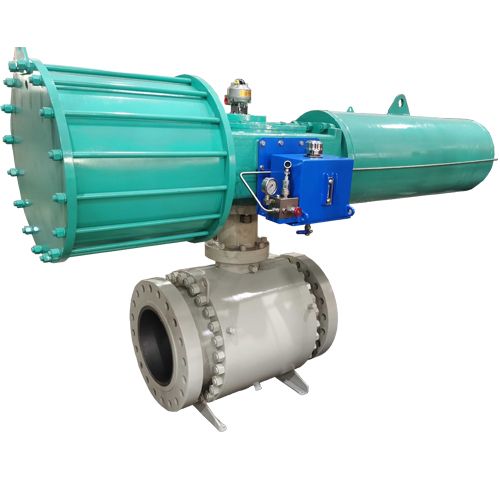

Formen manufactures and supplies trunnion mounted ball valves for industrial pipeline systems that require dependable shut-off and fluid isolation. Designed for high-pressure service, these valves feature a mechanically supported ball that helps manage pipeline forces and maintain consistent sealing performance. Available in sizes from NPS 2 to 48 and pressure ratings from Class 150 to Class 2500, our products can be configured with different body materials, end connections, and operating methods to meet specific project requirements.
Our industrial valve solutions serve buyers in the oil and gas, petrochemical, power generation, and other processing industries. Whether you require standard configurations or project-specific specifications, Formen can help you select a suitable valve based on operating pressure, temperature, fluid type, and pipeline requirements.
Formen offers different configurations to support industrial pipeline installation and operating requirements.
|
Specification |
Available Options |
|
Valve Type |
Trunnion Mounted Ball Valve |
|
Size Range |
NPS 2"–48" |
|
Pressure Rating |
Class 150–2500 LB |
|
Body Material |
Carbon Steel, Stainless Steel, Alloy Steel, Duplex Steel |
|
End Connections |
RF, RTJ, BW |
|
Operation |
Manual, Gear, Pneumatic, Electric |
|
Design Standards |
API 6D, ASME B16.34, BS 5351 |
|
Face-to-Face Standards |
ASME B16.10, API 6D |
|
End Connection Standards |
ASME B16.5, ASME B16.25 |
|
Testing Standards |
API 6D, API 598 |
Available specifications depend on the selected model and configuration. Contact our team to confirm the required size, pressure class, material grade, and connection type for your application.
A trunnion ball valve uses a ball supported by upper and lower mechanical shafts called trunnions. These supports hold the ball in position and help prevent excessive movement under pipeline pressure.
When the valve is open, the bore through the ball aligns with the pipeline, allowing fluid to pass through. Turning the valve approximately 90 degrees moves the ball into the closed position, where its solid surface blocks the flow passage.
The valve's seats provide sealing against the ball. Depending on the design, pipeline pressure and seat-loading mechanisms help maintain contact between the sealing surfaces. This construction helps manage operating torque, particularly in larger-diameter and higher-pressure pipeline systems.
Formen offers different design features to meet industrial isolation and pipeline operating requirements.
The availability of these features depends on the selected model, design, and project specifications.
Material selection plays an important role in valve performance and service life. Formen offers body material options including carbon steel, stainless steel, alloy steel, and duplex steel.
The appropriate material depends on the fluid being handled, operating temperature, pressure conditions, and corrosion requirements. Buyers should provide the relevant service conditions when requesting a quotation so the suitable material grade can be reviewed.
Our range covers pressure ratings from Class 150 to Class 2500. Available end connection options include raised face (RF), ring-type joint (RTJ), and butt weld (BW).
These configurations allow buyers to specify valves according to pipeline dimensions, installation conditions, and applicable engineering standards.
Different industrial installations require different operating arrangements. Formen offers several operation options for its trunnion ball valve range.
Manual Operation: Suitable for installations where operators can open and close the valve directly using a lever or other manual arrangement.
Gear Operation: A gearbox assists operation and can be useful for larger valves or applications requiring additional operating force.
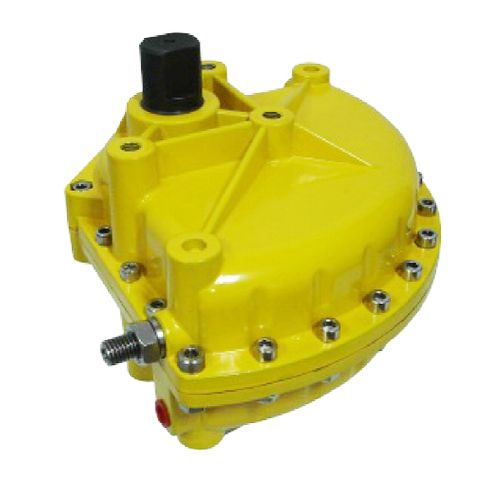
Pneumatic Operation: Uses compressed air to operate the valve and can be integrated into compatible automated control systems.
Electric Operation: Uses an electric actuator for remote operation and integration with suitable industrial control systems.
The operating method should be selected according to valve size, operating torque, automation requirements, and installation conditions.
Trunnion-supported ball valves are commonly specified for pipeline systems requiring dependable isolation under demanding operating conditions.
Typical application areas include:
Final product selection should consider the operating medium, design pressure, temperature, material compatibility, and applicable industry standards.
Formen Valve, based in Wenzhou, China, handles international business for Zhejiang Zhonggong Valve Group Co., Ltd. The company has more than 20 years of experience in valve manufacturing, product development, production, and distribution.
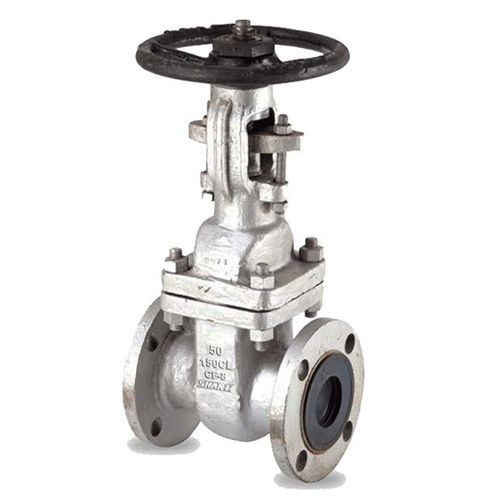
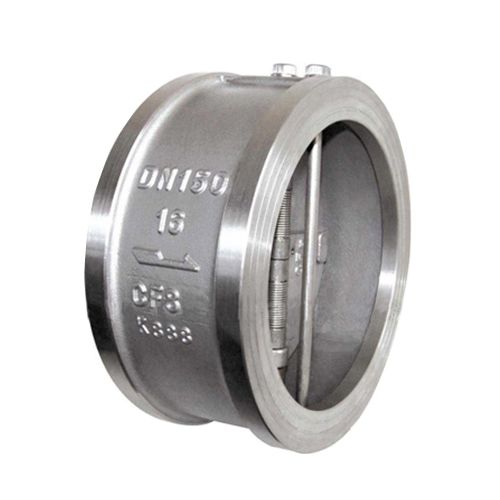
Our industrial product range includes ball valves, butterfly valves, gate valves, check valves, globe valves, and other pipeline products. Manufacturing and product standards include API, JIS, DIN, BS, GOST, and GB, depending on the product and specification.
The company also holds quality and product certifications including ISO 9001, API 6D, CE/PED, and API 607.
International buyers can discuss technical specifications, product configurations, and project-specific sourcing requirements with our team. OEM services, engineering support, and worldwide logistics assistance are also available.
If you are sourcing industrial valves for a pipeline project, contact Formen to discuss your requirements and request a quotation.
What is a trunnion mounted ball valve?
It is a quarter-turn valve that uses upper and lower mechanical supports to hold the ball in position. The supported construction helps manage pipeline pressure forces and is commonly used in larger-diameter and higher-pressure applications.
What is the difference between a floating ball valve and a trunnion ball valve?
A floating ball valve allows the ball to move slightly toward the downstream seat under pressure. In a trunnion design, the ball is mechanically supported, while the seats provide sealing contact. The choice depends on valve size, pressure rating, operating torque, and application requirements.
What pressure ratings are available?
Formen's listed range covers Class 150 to Class 2500 LB. The appropriate rating should be selected according to the pipeline design pressure and operating conditions.
Which materials are available?
Available body material options include carbon steel, stainless steel, alloy steel, and duplex steel. Specific grades should be confirmed according to the fluid, temperature, pressure, and corrosion conditions.
Can these valves be supplied with pneumatic or electric actuators?
Yes. Manual, gear, pneumatic, and electric operation options are listed. Buyers can specify the preferred operating arrangement when discussing their requirements.
How can I request a quotation?
Contact Formen with your required valve size, pressure class, body material, end connection, operating method, and order quantity. Providing these details helps the team review the application and recommend a suitable configuration.